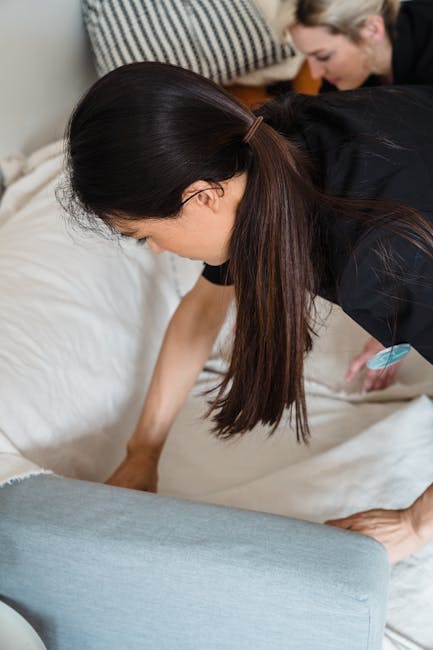
Sofa stain emergency cleaning Woodford Green rapid response
Spills never seem to happen at a convenient time. One minute the sofa looks fine, the next there's a red wine splash, a coffee ring, muddy paw prints, or something stickier you'd rather not think about. If you need Sofa stain emergency cleaning Woodford Green rapid response, the key is to act quickly, but also carefully. Panic and scrubbing usually make things worse. A calm, fast response can protect the fabric, stop the stain from spreading, and often save the upholstery from permanent damage.
This guide explains what emergency sofa stain cleaning involves, how a rapid response service typically works, what you can do straight away, and when it makes sense to bring in a professional. You'll also find practical steps, common mistakes, a comparison of methods, and a realistic checklist you can use in the moment. Simple, useful, no fluff.
Table of Contents
- Why sofa stain emergency cleaning matters
- How rapid response sofa cleaning works
- Key benefits and practical advantages
- Who this is for and when it makes sense
- Step-by-step guidance
- Expert tips for better results
- Common mistakes to avoid
- Tools, resources and recommendations
- Law, compliance, standards and best practice
- Options, methods and comparison table
- Case study or real-world example
- Practical checklist
- Conclusion
- Frequently asked questions
Why sofa stain emergency cleaning matters
Fresh sofa stains are a bit like wet paint: the longer they sit, the more they settle in. On upholstery, that can mean the mark sinks past the surface fibres and into the padding, where it becomes harder to remove and more likely to leave a shadow or odour. In a busy home, especially with children, pets, visitors, or a tight schedule, a rapid response can make the difference between a small incident and a long-term blemish.
There's also the issue of fabric type. A hard-wearing synthetic sofa may tolerate a gentle spot treatment, while a delicate woven or natural fibre fabric can react badly to over-wetting, harsh detergents, or aggressive rubbing. Leather, suede-style finishes, velvet, and blended upholstery all behave differently too. That's why emergency cleaning is not just about speed. It's about speed with judgement.
In Woodford Green homes, sofas often do double duty: family seat, work-from-home spot, film-night perch, and sometimes the place where life just happens. A spill in the evening can feel stressful, especially if it's on a favourite sofa that cost a fair bit. Truth be told, that pressure is why people reach for whatever is nearest. A towel, a kitchen spray, maybe even a bit of optimism. But the first few minutes matter more than most people realise.
Key takeaway: Fast action helps, but the safest emergency response is usually gentle blotting, controlled moisture, and the right cleaning method for the fabric. Not a frantic scrub-fest. Let's face it, the sofa has seen enough.
If the stain is large, oily, coloured, or already starting to smell, a professional sofa cleaning or stain removal service is often the safer route. You can also explore related support such as sofa cleaning, upholstery cleaning, and stain removal if the issue affects more than one fabric surface.
How sofa stain emergency cleaning works
Emergency sofa stain cleaning is usually a structured process rather than a single treatment. The first stage is assessment. A good cleaner will identify the fabric type, the nature of the stain, the age of the mark, and whether there's any risk of dye transfer, fibre distortion, or moisture damage. This matters because a food stain is not treated the same way as an ink mark, and a water-based spill is not handled the same way as an oily one.
Next comes pre-treatment. The goal is to loosen the contamination without pushing it deeper. This may involve a fabric-safe spotting solution, carefully controlled moisture, or a targeted stain treatment. Then comes extraction or cleaning, which removes the residue from the fibres. For some upholstery, this is done with low-moisture methods; for others, a deeper clean may be used after spot treatment has stabilised the stain.
Drying is another big part of the job, and one that people sometimes underestimate. A sofa that feels "almost dry" can still hold enough moisture to cause marks, odour, or re-soiling. Professionals usually manage air movement, temperature, and cleaning volume so the sofa dries properly and stays in good condition. That's the difference between a quick wipe and a proper rapid response.
Here's a simple way to think about it:
- Identify the stain and the fabric.
- Stop the spill from spreading.
- Use the least aggressive method first.
- Lift residue out of the fabric.
- Dry the area safely and thoroughly.
- Check for any remaining shadow, smell, or texture change.
If you want a broader clean after an emergency has been dealt with, a service such as professional sofa cleaning can help restore the whole piece more evenly, rather than leaving one patched area looking slightly different. That happens more often than people expect.
Key benefits and practical advantages
The main advantage of rapid response stain cleaning is obvious: it gives the stain less time to bond. But the practical benefits go beyond that. A fast, careful intervention can reduce the chance of staining becoming permanent, limit fabric wear from DIY attempts, and improve the odds of a cleaner, more even finish.
- Better stain removal outcomes: Fresh spills usually respond better than set-in marks.
- Lower risk of damage: Using the right technique reduces fibre distortion and colour loss.
- Less odour retention: Drinks, food, pet accidents, and organic spills can leave smell if not treated properly.
- Faster return to normal use: Useful in busy households where the sofa is central to daily life.
- More cost-effective in the long run: Early treatment can prevent a stain becoming a replacement problem.
There's also a quieter benefit: peace of mind. A bad stain can hang over a room. You notice it every time you walk past. Once it's dealt with properly, the whole space feels lighter again. Small thing maybe, but it matters.
Emergency cleaning is especially helpful when the stain sits on a high-visibility area like the front cushion, armrest, or headrest zone. Those spots catch the eye immediately, even when the room is otherwise tidy. If the issue has spread beyond the sofa to rugs or other upholstery, related services like rug cleaning and upholstery cleaning can be part of a wider recovery plan.
Who this is for and when it makes sense
This kind of service is for anyone dealing with a fresh or fast-moving upholstery stain and who wants to limit the damage quickly. That includes families, tenants, landlords, homeowners, property managers, and even small businesses with client seating. In a household, the most common triggers are drinks, food, makeup, ink, muddy footprints, pet accidents, and the occasional mystery mark that nobody admits to.
It makes sense to seek emergency help when:
- the stain is large or spreading;
- you're dealing with a delicate or expensive sofa;
- the stain is oily, coloured, or strongly scented;
- you've already tried wiping it and it's getting worse;
- there's a deadline, such as guests arriving or a move-out inspection;
- the sofa is part of a rental property or customer-facing space;
- the spill has soaked through the cushion or left a damp patch underneath.
To be fair, not every stain is a crisis. A tiny fresh mark on a robust fabric might respond to simple blotting and careful drying. But if you're unsure, guessing can be expensive. A quick assessment from an upholstery specialist is often worth more than another round of kitchen chemistry experiments.
If you are comparing broader fabric care options, it can be helpful to read about carpet cleaning or mattress cleaning too, because the same principles of careful stain assessment, moisture control, and fabric protection apply across the home.
Step-by-step guidance
If a stain happens right now, this is the practical sequence to follow. Keep it calm and simple. You do not need to do everything; you need to do the right first few things.
1) Act immediately, but don't rush blindly
Remove cups, plates, or anything else that could spill more. If the stain is liquid, take a clean absorbent cloth or plain white paper towel and blot the area gently. Press, lift, press again. Do not rub. Rubbing pushes the stain into the fibres and can fray the fabric.
2) Work from the outside in
Blot the edges first so the mark doesn't spread outward. This is especially useful for coffee, juice, and wine. A lot of people start in the middle, which feels natural, but it can create a larger halo. Oddly satisfying to do the opposite, once you get used to it.
3) Identify the stain type
Water-based stains, oil-based stains, protein stains, ink, makeup, and mud all need different handling. If you don't know what it is, keep treatment minimal. Water plus the wrong cleaning agent can sometimes set a stain or make it bleed.
4) Test before any cleaning solution
Even a mild product can alter colour on some fabrics. Test in a hidden area first. If the sofa has manufacturer labels or cleaning codes, follow them carefully. If the care label is unclear, professional help is the safer choice.
5) Use only a small amount of moisture
Over-wetting is one of the biggest mistakes in upholstery care. A damp cloth is safer than a soaked one. The aim is to lift the contamination, not drench the cushion. Saturation can lead to rings, padding damage, or slow drying that invites odour.
6) Dry the area properly
Use airflow, not heat blasting. Open a window if possible, and let the fabric breathe. Avoid hairdryers on high heat unless you know the fabric can tolerate it. Heat can distort some fibres and may set certain stains. A boring answer, yes, but the boring answer often works best.
7) Stop if the stain starts to worsen
If the mark spreads, changes colour, or the fabric looks fuzzy or shiny, stop immediately. That's usually the point where a professional rapid response service becomes the better option. For a deeper clean once the stain has been stabilised, you may find stain removal guidance and specialist sofa care helpful as follow-up support.
Expert tips for better results
There are a few small decisions that can noticeably improve the outcome. They don't look dramatic, but they help.
- Use white cloths only: Coloured towels can transfer dye, especially on damp fabric.
- Blot in layers: Change to a clean cloth section often so you're lifting soil, not putting it back down.
- Keep notes on what happened: What was spilled, where, and how long ago? That helps choose the right method.
- Treat odour separately: A stain can be removed while the smell remains. Pet-related marks are a classic example, and pet stain odour removal is often needed when accidents have soaked into the cushion.
- Be patient with shadowing: Sometimes the stain edge disappears before the centre. That doesn't always mean the job is finished.
A useful rule of thumb: the more delicate the fabric, the less you should improvise. Velvet, chenille, linen blends, and some textured upholstery can react in ways that are hard to reverse. If the sofa is a favourite piece, not a practice run, professional treatment is usually the sensible call.
Another practical point: if the stain is near the seam, piping, or tufting, the surrounding stitching may hold residue longer than the flat fabric. Those little folds collect grime. A trained cleaner will often spend extra time on them, because that's where the leftovers hide.
Common mistakes to avoid
Most bad stain outcomes come from a few repeat mistakes. The good news? They're avoidable.
- Scrubbing hard: This spreads the stain and wears the fibres.
- Using too much detergent: Residue attracts more dirt later.
- Mixing random products: Some combinations are unpredictable and can damage fabric.
- Applying hot water too soon: Heat can set protein or dye-based stains.
- Ignoring the underside: If liquid has soaked through, the back or inner cushion may also need attention.
- Leaving it half-dry: Damp upholstery can smell musty and reappear stained once fully dry.
One slightly comic but very real issue: people often keep "checking" the stain by rubbing it with a finger. That just makes the mark a touch smug, really. Leave it alone as much as possible.
Another trap is assuming every stain should be attacked the same way. They shouldn't. A rapid response service is useful because it reduces guesswork. That's the whole point.
Tools, resources and recommendations
You don't need a massive toolkit for emergency sofa stain care. In fact, too many products can create confusion. A minimal, sensible set is usually enough for first aid before a professional visit.
| Item | Why it helps | Best use |
|---|---|---|
| White microfibre cloths | Absorb liquid without transferring colour | Blotting fresh spills |
| Plain paper towels | Useful for immediate liquid pickup | First response to wet stains |
| Soft brush | Can lift dried surface debris gently | Mud or crumb-like residue |
| Clean lukewarm water | Safer than harsh cleaners for many fabrics | Light blotting after a test |
| Fan or open window | Supports safe drying | After spot treatment |
For anyone who wants to prepare properly rather than panic later, it helps to know where the rest of the upholstery care services sit. A broader clean may involve upholstery cleaning, while the most fabric-sensitive issues may need a more cautious stain-led approach via stain removal.
If you're arranging a visit or checking what a service includes, the pages on pricing and quotes and contact options are the natural next steps. For a bit more background on the team and how they work, there's also about us.
Law, compliance, standards and best practice
For domestic sofa stain cleaning, there usually isn't a complex legal issue. Still, reputable providers should work to sensible UK best practice: safe handling of cleaning agents, careful treatment of electrical equipment, proper insurance, and clear communication about what can and cannot be cleaned safely. That's especially relevant in homes with children, pets, asthma sufferers, or sensitive furnishings.
If a company is coming into your home, it is reasonable to expect them to act responsibly around surfaces, moisture, ventilation, and access. They should explain any risks before treatment, particularly where fabric damage, dye bleed, or residual spotting might occur. In other words, no vague promises and no magic-wand nonsense.
It's also fair to ask about safety and security procedures. Pages such as insurance and safety and the health and safety policy are useful if you want reassurance before booking. Payment handling matters too, so payment and security is worth checking if you want to understand how transactions are managed.
If you are dissatisfied with any service issue, a proper complaints process should exist, and that process ought to be explained clearly. For transparency around how personal information and site cookies are handled, a business should also provide relevant policy pages such as the privacy policy and cookie policy. Environmental care may also matter to you, especially if sustainability is important in how you choose services, so recycling and sustainability can be a useful read.
For local customers in and around Woodford Green, good practice is simple: clear expectations, safe methods, and a result that respects the fabric rather than just making the mark disappear for five minutes. That's the standard to look for.
Options, methods and comparison table
There's more than one way to approach a sofa stain, and the right option depends on the stain type, fabric, and urgency. Here's a straightforward comparison.
| Method | Best for | Pros | Watch-outs |
|---|---|---|---|
| Home blotting and light spot care | Very fresh, small spills on robust fabric | Immediate, cheap, simple | Easy to over-wet or rub in the stain |
| Targeted stain treatment | Specific marks such as drinks, mud, or light food spills | More controlled than DIY guessing | Still needs fabric knowledge |
| Professional rapid response cleaning | Large, awkward, delicate, or high-risk stains | Better chance of safe removal and proper drying | May cost more than a home attempt |
| Full sofa cleaning after the emergency | When the whole piece needs refreshing | More even finish, better overall appearance | Not always necessary for a single small mark |
For most people, the decision is simple. If the stain is fresh, small, and on a sturdy fabric, gentle first aid may be enough. If the stain is old, spread out, or on a more delicate sofa, a rapid response service is usually the better bet. Not because you can't try something yourself, but because upholstery is unforgiving when the wrong product goes on it.
Case study or real-world example
A common real-world scenario is this: someone spills coffee on the sofa late in the evening, blots it quickly, then realises the mark is still there the next morning. It looks smaller, but there's a faint yellow-brown ring around it, and the cushion feels slightly stiffer in that area. That ring is the sort of thing that often happens when moisture and residue travel differently through the fabric.
In a situation like that, a careful emergency cleaning approach would usually focus on assessing the fabric, checking whether the liquid reached the inner cushion, and treating the stain in stages rather than flooding the spot. If the sofa is a neutral fabric, the cleaner may be able to lift most of the mark without affecting the overall texture. If the fabric is more sensitive, the method is adjusted, and drying becomes even more important.
Another typical case involves pet accidents. The visible mark may be small, but the smell can linger. That's because the liquid has soaked beyond the top fibres. In those cases, stain treatment alone is not enough; odour removal and deeper extraction may be needed. It's a different problem hiding under a similar-looking surface.
Little moments like these are why a rapid response matters. The sofa may seem fine at first glance, but underneath, the fibres are telling a different story.
Practical checklist
Use this checklist when a sofa stain happens. Keep it nearby if you can. Seriously, it saves faffing.
- Blot, do not rub.
- Remove any loose debris first.
- Identify the stain if possible.
- Check the sofa care label or cleaning guidance.
- Test any solution in a hidden spot.
- Use the smallest safe amount of moisture.
- Keep airflow moving for drying.
- Watch for colour transfer, fabric distortion, or a spreading halo.
- Deal with odour separately if needed.
- Escalate to a professional if the stain is large, delicate, or stubborn.
If the stain has spread to nearby fabrics, a wider clean may be wise. Options like curtain cleaning or rug cleaning can be relevant if the spill bounced, splashed, or was carried through the room. More often than people think, one accident becomes a small fabric triangle of trouble.
Conclusion
Emergency sofa stain cleaning is about making the first few minutes count. The right response can prevent a fresh spill from becoming a permanent eyesore, protect the upholstery from damage, and restore a room much faster than waiting and hoping. A careful rapid response is not overkill; for many households, it is the difference between a nuisance and a lasting stain.
Start with calm blotting, avoid harsh scrubbing, and be honest about the fabric type and the size of the problem. If the stain is awkward, set in, or on a cherished sofa, a professional approach is often the safest path. And that's okay. Sofas are meant to live in, after all. Life happens on them.
If you'd like expert help, clearer guidance, or a fresh set of eyes on a tricky stain, reach out and take the pressure off yourself. A quick conversation now can save a lot of frustration later.
Get a free quote today and see how much you can save.
Frequently Asked Questions
How fast should I act after a sofa stain happens?
As fast as possible. Fresh stains are much easier to remove than ones that have dried or soaked deeper into the fabric. The first few minutes matter most, especially for drinks, food spills, and pet accidents.
Should I rub a sofa stain to get it out?
No. Rubbing usually pushes the stain deeper and can rough up the fabric. Gentle blotting is safer and more effective for most upholstery.
Can I use washing-up liquid on a sofa stain?
Sometimes, but only with caution and only if the fabric is suitable. Too much product can leave residue or create a ring. Always test first, and if in doubt, don't improvise.
What if the stain is already dry?
Dry stains are harder, but not impossible, to treat. The approach depends on the stain type and fabric. A dry mark may need pre-treatment before any cleaning can begin.
Will a rapid response service remove all stains?
Not every stain can be removed completely. Some dyes, inks, and heat-set marks can be stubborn. A good cleaner should explain likely outcomes honestly before starting.
How do I know if my sofa fabric is safe to clean at home?
Check the care label if you can find it. If the label is missing, faded, or unclear, keep treatment minimal. Delicate fabrics are better left to a specialist.
What stains are the hardest on a sofa?
Ink, red wine, coffee, makeup, oil-based food, and pet-related stains are often tricky. The older the stain, the more difficult it becomes, especially if it has dried in.
Can emergency sofa cleaning help with odour as well as the mark?
Yes, but not always with a surface treatment alone. Odour can sit deeper in the padding, particularly with pet accidents or milk-based spills. That usually needs a more thorough clean.
How long does a sofa take to dry after emergency cleaning?
Drying time varies with fabric type, method used, ventilation, and how much moisture was applied. Good airflow helps. A properly managed clean should not leave the sofa sodden.
Is emergency sofa cleaning worth it for a small stain?
If the stain is tiny and very fresh, you may manage it yourself. But if the sofa is valuable, the fabric is delicate, or the mark sits in a visible spot, professional help can still be worth it.
Can a stain spread if I add water?
Yes, it can. That's why controlled moisture is so important. Adding too much water can push the stain outward and create a larger ring around the original mark.
What should I do if I've already tried to clean the stain and made it worse?
Stop there and leave it alone. Further scrubbing usually makes things harder, not easier. At that point, the best move is to get a professional assessment rather than keep experimenting.